


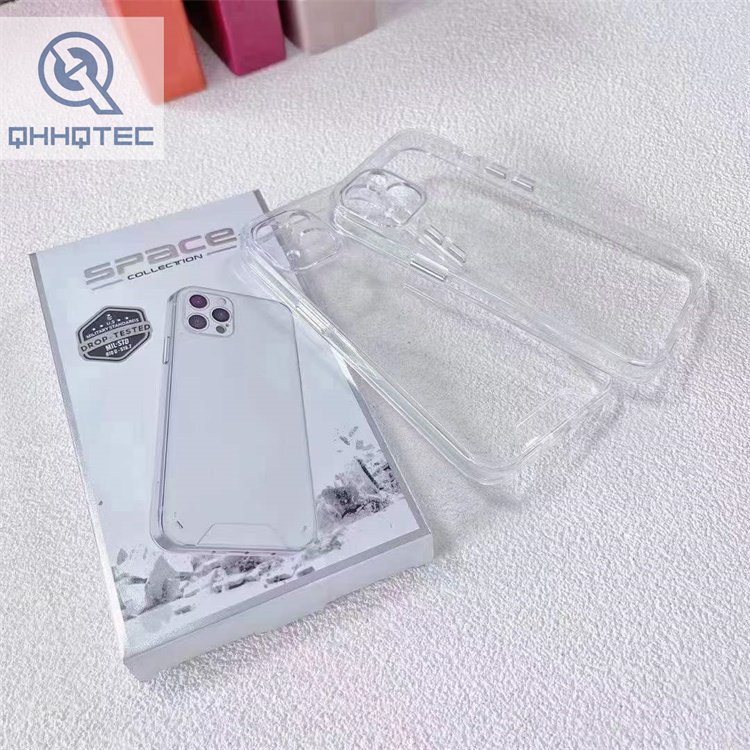
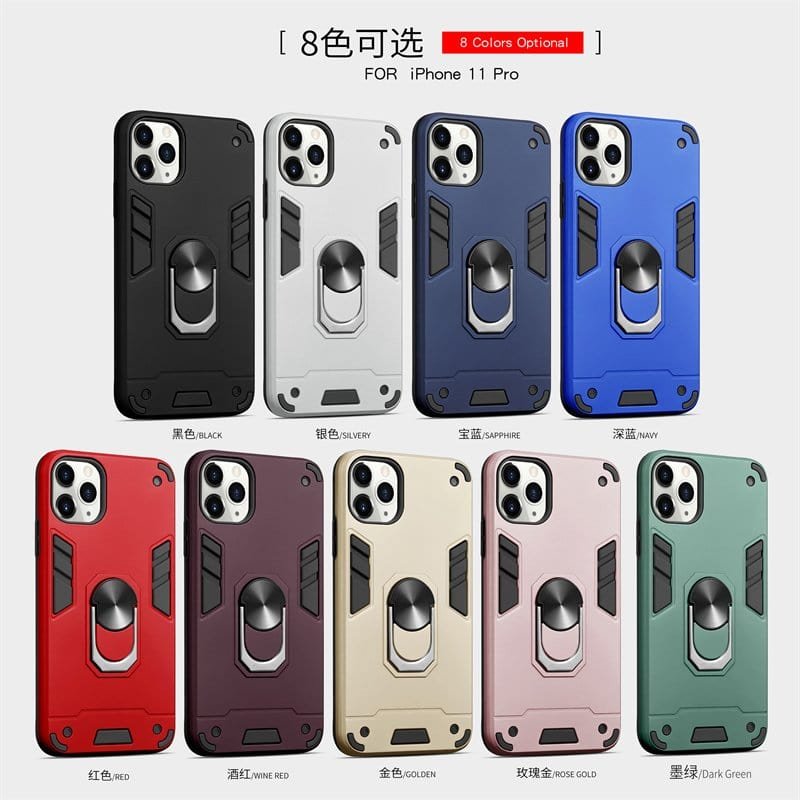
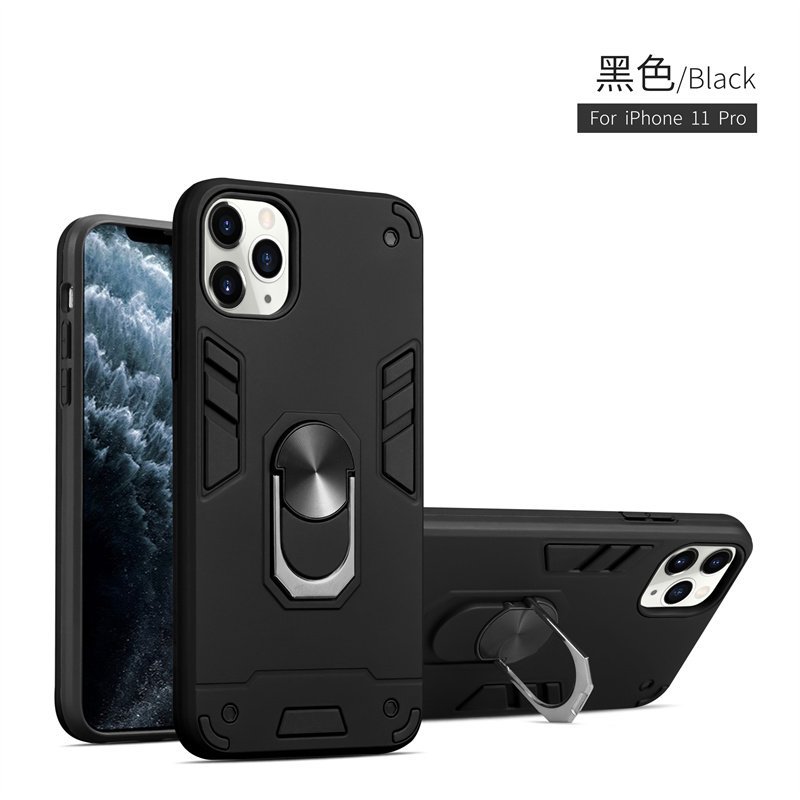

Introduction: Not all tempered glass is created equal. As a professional mobile accessory supplier, QHHQTEC is here to reveal the technical indicators behind premium screen protection. Learn how to identify elite quality through hardness, transparency, and edge craftsmanship while avoiding the “low-cost traps.”
1. Look for Real 9H Hardness
Many budget protectors claim “9H” on the box, yet show scratches within days of use.
What is 9H? This refers to pencil hardness. Premium glass utilizes High Alumina Silicon Glass, which undergoes a chemical tempering process for over 4 hours.
How to Verify: A high-quality protector will remain flawless even when subjected to friction from keys or coins.
Can check our tempered glass to have more pictures if you want to know more about it.
2. Evaluate the Edge Craftsmanship: 2.5D vs. 3D
The edge is the most vulnerable part of a screen protector and the key factor in “hand-feel.”
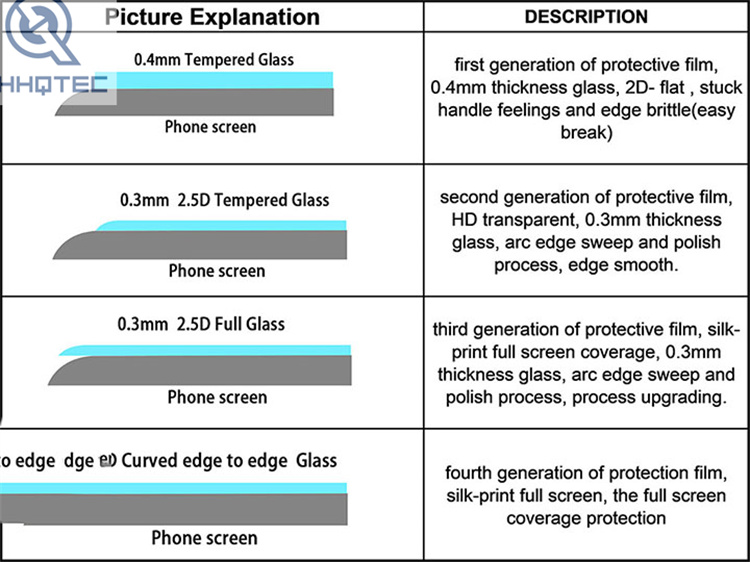
2.5D Polished Edges: The glass features a slight arc at the edge to prevent sharp sensations. It is highly compatible with almost any phone case.
Full Coverage (3D/Large Arc): These cover the curved edges of the phone screen, providing a seamless, “naked phone” visual effect.
QHHQTEC Pro Tip: Check for edge smoothness. Low-quality glass has sharp edges that are prone to “chipping” even with minor impacts.
3. High Transparency & Oleophobic Coating
A superior screen protector should be so clear you forget it’s there.
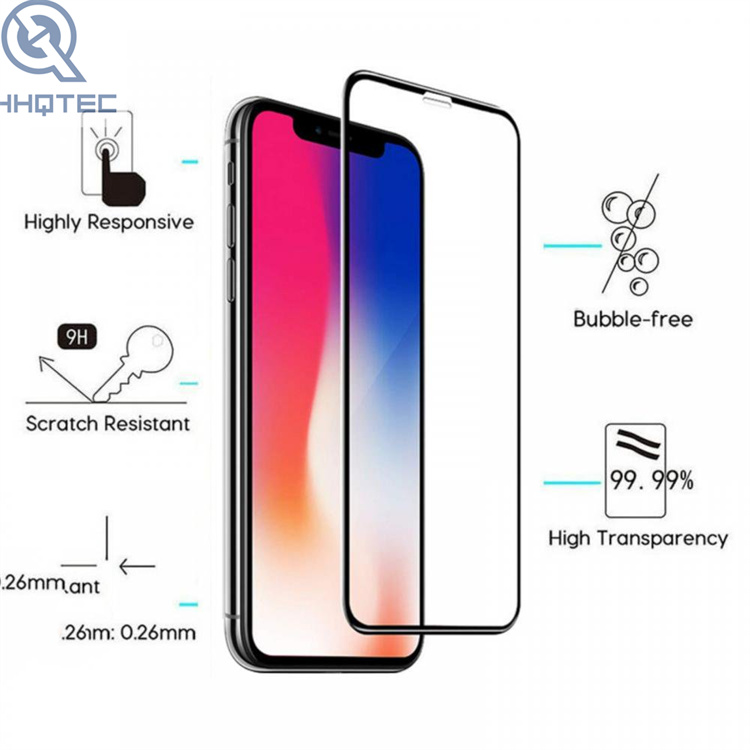
Transmittance: Premium protectors offer a light transmittance rate of over 92%. Low-quality glass can cause a yellow tint or a grainy display.
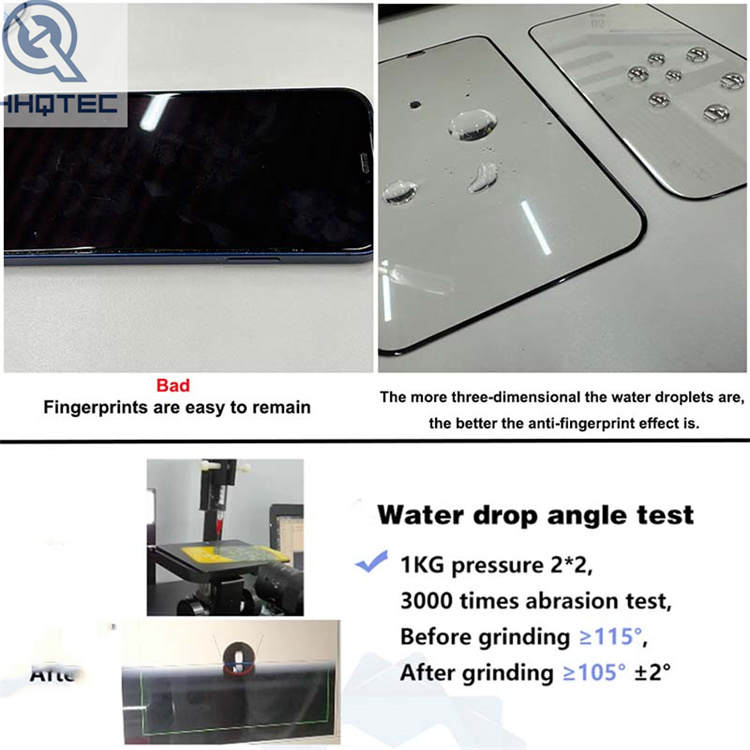
Oleophobic Coating: This is the core differentiator between high-end and entry-level products.
The Test: Drop a small bead of water on the surface. If it stays in a round, pearl-like shape and slides off rapidly, the coating is excellent. If the water scatters or leaves a trail, the fingerprint resistance is poor.
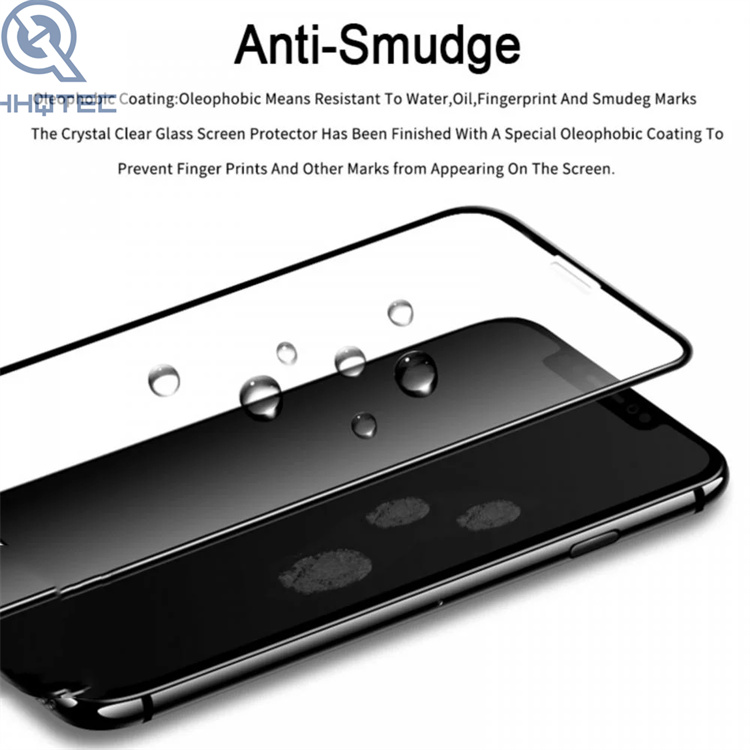
More picture can visit our tempered glass 0.15mm
4. The “Invisible” Hero: AB Glue
Many users complain about “white edges” or persistent bubbles. This is usually due to low-grade AB Glue (the adhesive layer).
Auto-Exhaust: High-quality adhesives (often sourced from Korea or Japan) automatically push air out during application, ensuring a bubble-free finish.
Re-positioning: Premium glue allows you to lift and slightly adjust the protector without losing its adhesive properties.
5. Privacy vs. Clear: Which One Do You Need?
Choose based on your specific functional requirements:
Clear Glass: The gold standard for maximum clarity and original color reproduction.
Privacy Glass: Uses ultra-fine microlouver technology to block side-angle viewing. Ideal for business professionals prioritizing privacy.
Anti-Blue Light: Reduces blue light emission to protect eyes during prolonged screen time.
💡 Summary Checklist for Sourcing
When sourcing in bulk, use this professional checklist:
Material: Is it High Alumina Silicon glass?
Tempering Time: Has it been tempered for at least 4 hours?
Coating: Does it feature a plasma-sprayed oleophobic layer?
Fitment: Is it designed using a 1:1 real machine mold?
Why Choose QHHQTEC for Your Screen Protectors?
As your supply chain experts, we partner with top-tier manufacturing facilities to ensure every unit passes rigorous drop tests and edge pressure audits. We provide:
OEM/ODM Support: Customized retail packaging and private labeling.
Ready-to-Ship Inventory: Rapid response and fast global logistics for wholesale orders.
More Picture of Comparison
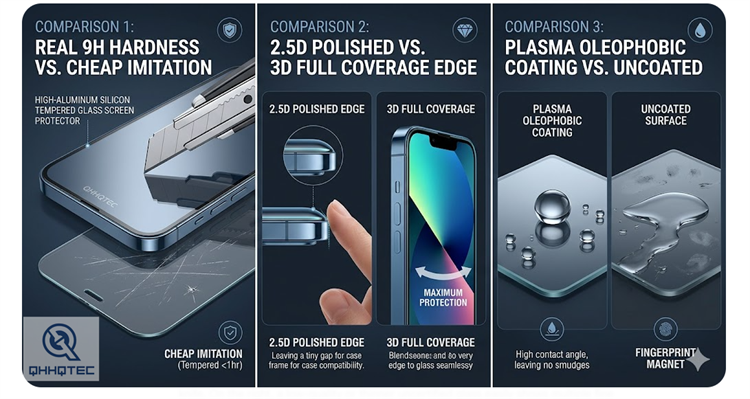
Comparison 1: Scratch Test (Real 9H Hardness vs. Uncertified Glass)
This image displays the practical difference of a real 9H hardness rating. On the left, a high-quality protector remains pristine even when subjected to scratches from keys, coins, or a knife. On the right, a low-quality or thinner uncertified glass easily shows multiple fine scratches and a visible scuff from the same test, demonstrating why the proper tempering time is critical.
Comparison 2: Edge Craftsmanship (2.5D vs. 3D Arc Polishing)
This image compares the edge profiles, a key comfort factor. On the left, a micro-close-up of a 2.5D polished edge shows a smooth, rounded contour that feels comfortable and is case-compatible. On the right, a low-quality protector displays a sharper, more abrupt edge profile that feels harsh and is prone to ‘chipping,’ illustrating why premium finishing is essential for durability and user experience.
Comparison 3: Surface Performance (Advanced Oleophobic Coating vs. None)
This image is the ‘beauty shot’ demonstrating fingerprint and smudge resistance. On the left, the premium protector with a plasma-sprayed oleophobic coating forms perfectly spherical, round water droplets (a high contact angle) that roll off cleanly. On the right, a low-quality glass with an inadequate or missing coating causes the water to flatten and scatter, clearly leaving smudges, demonstrating poor performance as a fingerprint magnet.
More Information of Tempered glass please visit our website:https://qhhqtec.com/tempered-glass/
Related posts
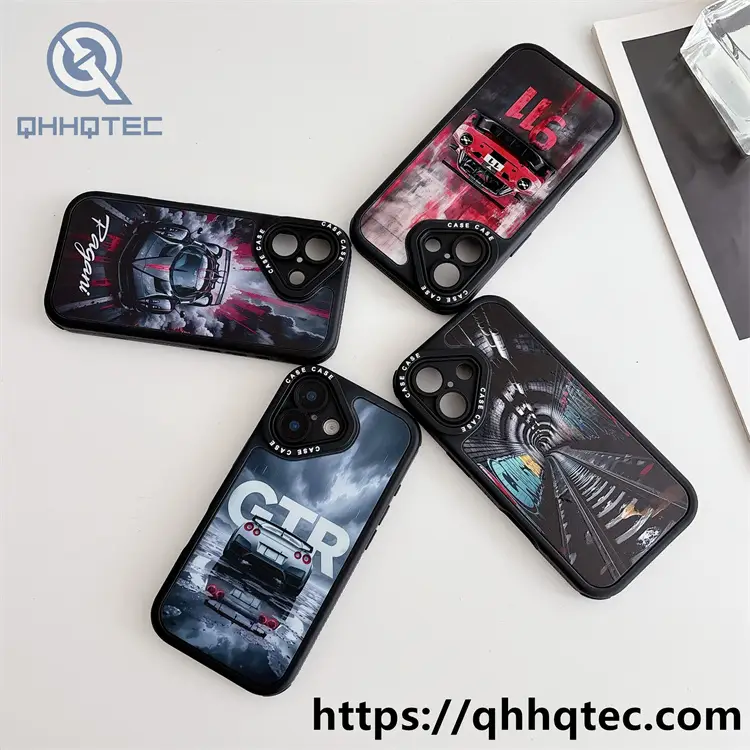
How to Identify a High-Quality Phone Charger: A Complete Buyer’s Guide

In an era where our lives revolve around our smartphones, the humble charger is often an afterthought. However, using a low-quality charger isn't just a matter of slow charging; it can significantly d...
How to Choose a High-Quality Tempered Glass Screen Protector: A Buyer’s Guide 2026
Introduction: Not all tempered glass is created equal. As a professional mobile accessory supplier, QHHQTEC is here to reveal the technical indicators behind premium screen protection. Learn how to id...

How To Celebrate Your 18th Birthday
How To Celebrate Your 18th Birthday